
As teachers we have all had those moments that have greatly influenced us. This post shares a few of the articles and books that have guided the educators at gotLearning.
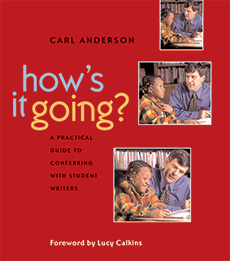
The question "How's it going?" is so incredibly powerful when you use it with a student. I was lucky enough to watch Carl work with students in my classroom. He truly used the phrase with the students, and what happened next was ten minutes of masterful conferring with four students during a writing lesson. The learning conversations he had with them provided incredible feedback that was goal-referenced and actionable. This experience solidified for me that the conversations with students about their thinking and work are where so much learning occurs.
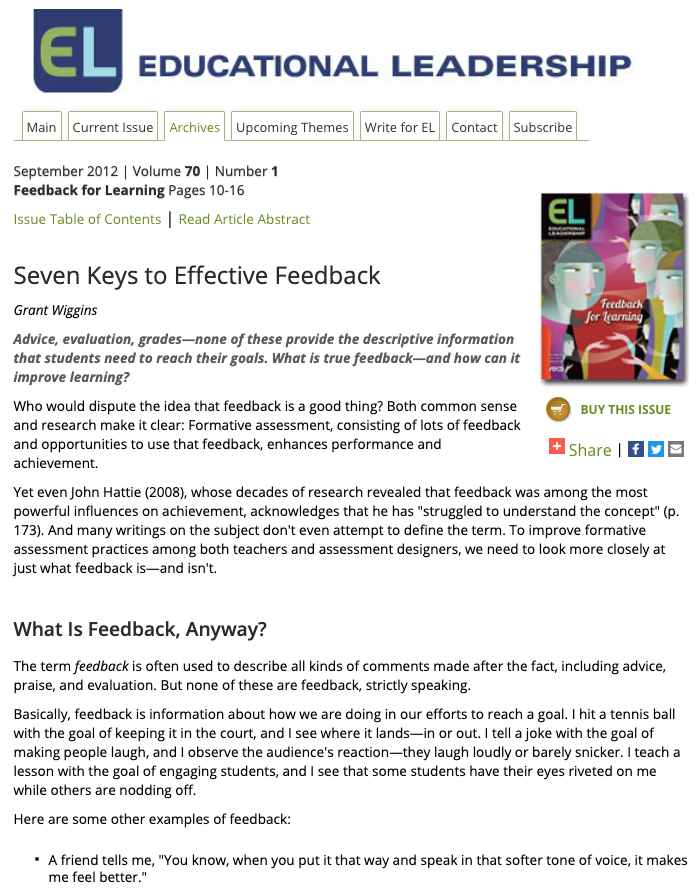
Grant Wiggins' article "Seven Keys to Effective Feedback" is pure gold in regard to what feedback is and what it is not. My favorite part of the article:
Helpful feedback is goal-referenced; tangible and transparent; actionable; user-friendly (specific and personalized); timely; ongoing; and consistent.
This is a worthy read for all educators, coaches, and anyone else who gives feedback to others. There are also great examples of each of the feedback essentials.
Besides being written by my first-year mentor teacher, this is my go-to answer to "if you were teaching on a desert island, what book would you bring?" One of my favorite quotes is:
We will conduct all of our interactions with students based on the most current data, research, and current thinking in our field. When this information changes, we will change our practice.
Paula continues: "I do not believe that this statement in any way implies that we should continue to hop from bandwagon to bandwagon looking for materials and programs that will ensure quick fixes or successes. Quite the contrary. It means that we must constantly reach out to analyze, reflect on, and react to the massive body of research on teaching and learning that comes not only from those doing formal research, but also from those of us working directly with students." This book is dog-eared, coffee-stained, and has been referenced more than any other book I own.
Over 20 years later, Understanding by Design (UbD) is still influencing the thinking and planning of educators worldwide. The premise is simple in process but profound in its impact: plan backwards from your goals and base your goals on transferable performances of understanding. Assess student performance against the goals throughout the learning process and use feedback to help students as they learn and grow. UbD's think-like-an-assessor stance is fundamental to the development of gotLearning, and educators familiar with the tenets of UbD will comfortably incorporate this platform into their practice.
The clarity and simplicity of the backward design process and the corresponding UbD template allow educators worldwide to use this thinking in their context and adjust the process to their needs. gotLearning's platform is designed with the same idea: create a clear and elegant process, laser-focused on the essential elements of how classroom conversations work.
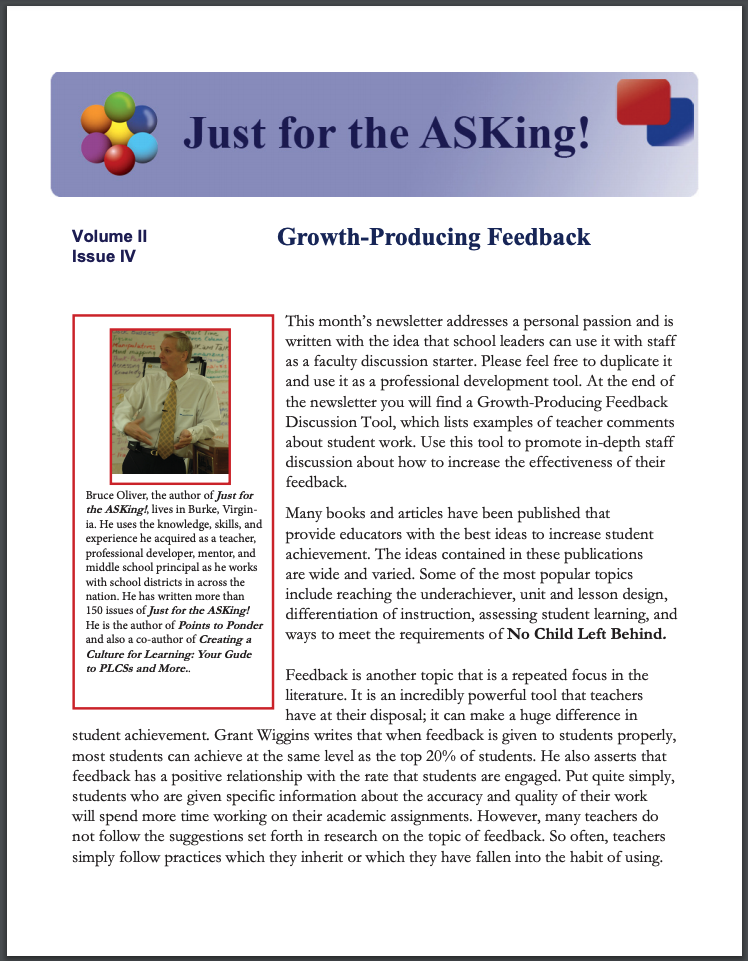
When I was a K-12 technology training specialist I was lucky enough to work with Bruce when he was a middle school principal. His article "Growth-Producing Feedback" is a must-read for all teachers. While there are a multitude of resources explaining the importance of feedback, this article is the perfect spark for a teacher to immediately change and improve their practice. The best part is the Growth-Producing Feedback Discussion Tool that you can use with your colleagues to talk about what is and is not growth-producing. In my teaching and athletic coaching I consistently refer back to the phrase to make sure the feedback I am providing is goal-oriented, emphasizes progress, and is timely.
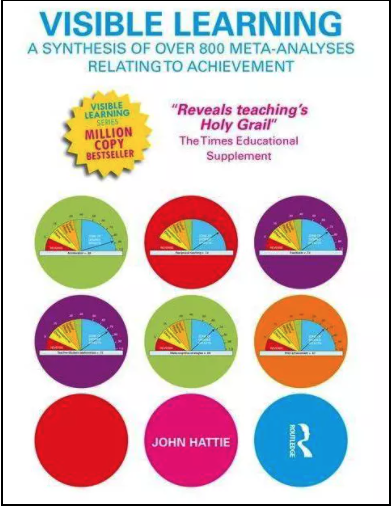
Hattie's research synthesis highlights the importance of feedback. Feedback is central to my teaching, empowers students, and is exactly why I built gotLearning in the first place. Hattie refers to the what-happens-next phase of learning and describes it as follows:
The act of teaching reaches its epitome of success after the lesson has been structured, after the content has been delivered, and after the classroom has been organized. The art of teaching, and its major successes, relate to what happens next: the manner in which the teacher reacts to how the student interprets, accommodates, rejects, and reinvents the content and skills, how the student relates and applies the content to other tasks, and how the student reacts in light of success or failure. — John Hattie, Visible Learning
This perfectly describes the importance of the learning conversation. The back-and-forth between the student and teacher is what happens next, the art of teaching and its major successes. This sums up why I built the first version of gotLearning as a middle school teacher.